OpenAI Plans One Gigawatt of AI Capacity Weekly
Episode Summary
Your daily AI newsletter summary for September 25, 2025
Full Transcript
TOP NEWS HEADLINES
Alibaba just dropped six new Qwen3 AI models this week in what can only be described as the most aggressive product blitz we've seen from a Chinese tech giant, releasing everything from real-time translation tools to AI safety moderators that work across 119 languages.
OpenAI and Oracle announced they're committing 400 billion dollars to build five massive data centers across Texas, New Mexico, and Ohio, pushing their Stargate project ahead of schedule toward a mind-bending 10 gigawatts of computing capacity.
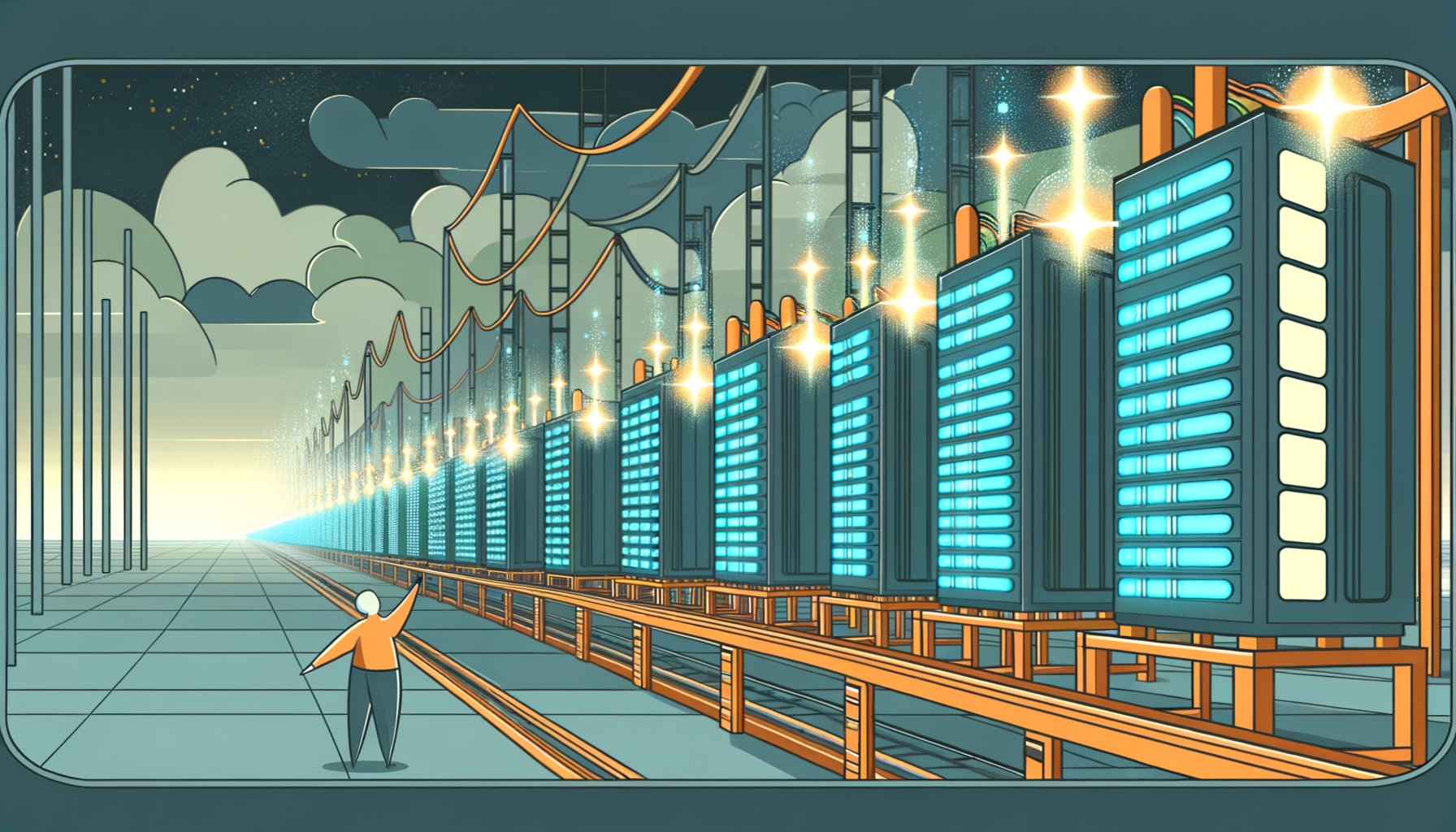
Sam Altman published a new blog post revealing OpenAI's audacious plan to build infrastructure capable of producing one gigawatt of AI capacity every single week - that's essentially a nuclear power plant's worth of computing power rolling off the assembly line weekly.
Scale AI just launched SEAL Showdown, a new benchmarking platform that segments AI model performance by user demographics, directly challenging the dominance of LMArena in how we evaluate these systems.
Microsoft is quietly building a two-sided marketplace where publishers get compensated every time their content is used in Copilot responses, potentially reshaping how AI companies handle content licensing.
And in a move that signals just how seriously tech giants are taking AI regulation, Meta launched a Super PAC with tens of millions of dollars specifically to fight AI regulation at the state level.
DEEP DIVE ANALYSIS
Let's dive deep into what's really happening with OpenAI's infrastructure announcement, because this isn't just another funding round - this is a fundamental shift in how we think about AI computing infrastructure and what it means for every technology executive listening.
Technical Deep Dive
When Sam Altman talks about producing one gigawatt of AI capacity weekly, he's describing something unprecedented in computing history. To put this in perspective, a typical nuclear power plant produces about one gigawatt of electricity. OpenAI is essentially saying they want to build the computing equivalent of a new nuclear plant every week.
This isn't just about buying more servers - they're talking about revolutionizing how we manufacture, deploy, and scale AI infrastructure. The technical challenge here is staggering. Current AI training runs require massive coordination between thousands of specialized chips, with data flowing between them at incredible speeds.
Scaling this to the gigawatt level means solving problems around power distribution, cooling, network architecture, and chip manufacturing that have never been tackled at this scale. They're essentially building the computational infrastructure for artificial general intelligence before AGI even exists.
Financial Analysis
The numbers are almost incomprehensible. OpenAI, Oracle, and SoftBank are committing 400 billion dollars just for the first phase of Stargate. For context, that's more than the GDP of most countries.
Each gigawatt of capacity costs roughly 50 billion dollars, meaning OpenAI's full vision requires half a trillion dollars in infrastructure investment. This fundamentally changes the economics of AI. We're moving from a model where you rent computing power to one where the biggest players own the entire stack - from the power generation to the custom silicon to the cooling systems.
This creates massive barriers to entry but also enormous competitive advantages for whoever can pull it off. The cost per AI inference could plummet, but only if you're operating at planetary scale.
Market Disruption
This announcement essentially declares that AI infrastructure is becoming a winner-take-all market. Companies that can't invest hundreds of billions in infrastructure will be relegated to using other people's platforms. We're seeing the emergence of AI utilities - companies that provide computing power the same way electric utilities provide electricity.
The competitive implications are massive. Google, Microsoft, Amazon, and now OpenAI are all racing to build these gigawatt-scale facilities. Chinese companies like Alibaba are responding with rapid-fire product releases to maintain technological relevance.
Smaller AI companies will face a stark choice: build on these platforms or get left behind. This could accelerate consolidation across the entire AI ecosystem.
Cultural and Social Impact
The societal implications of this infrastructure build-out extend far beyond technology. We're essentially building the nervous system for artificial intelligence that could be more powerful than human intelligence. The companies controlling this infrastructure will have unprecedented influence over how AI develops and who has access to it.
The geographical distribution of these data centers - concentrated in Texas, Ohio, and the American Southwest - is creating new technology hubs and shifting economic power. Communities that host these facilities gain thousands of jobs and massive tax revenue, but they also become completely dependent on the continued success of AI companies. From an adoption standpoint, this infrastructure makes AI capabilities that seem impossible today - like real-time language translation for every conversation, or AI assistants that can understand and manipulate the physical world - not just possible but inevitable within the next few years.
Executive Action Plan
First, technology executives need to make a fundamental strategic decision about AI infrastructure dependency. If you're not building your own gigawatt-scale facilities - and let's be honest, almost no one can - you need to choose which platform ecosystem you're going to build on. This isn't just a vendor relationship; it's more like choosing which country your business will be based in.
Evaluate OpenAI's platform, Microsoft's Azure, Google's cloud infrastructure, and Amazon's AWS not just on current capabilities but on their long-term infrastructure roadmaps. Second, start planning for a world where AI capabilities grow exponentially rather than incrementally. The infrastructure OpenAI is building will enable AI capabilities that seem like science fiction today.
Your product roadmaps, hiring plans, and competitive strategies need to account for AI that's 10x or 100x more capable than what we have now. Begin scenario planning exercises that assume AI can handle tasks currently requiring human expertise. Third, consider the geopolitical and regulatory implications of this infrastructure concentration.
With AI capabilities increasingly centralized in a few massive facilities, governments will inevitably want to regulate or influence these platforms. Develop strategies for navigating a world where AI infrastructure becomes as regulated as banking or telecommunications, and consider how regulatory changes in different countries could affect your access to AI capabilities.
Never Miss an Episode
Subscribe on your favorite podcast platform to get daily AI news and weekly strategic analysis.