Albania Appoints World's First AI Cabinet Minister for Procurement
Episode Summary
Your daily AI newsletter summary for September 13, 2025
Full Transcript
TOP NEWS HEADLINES
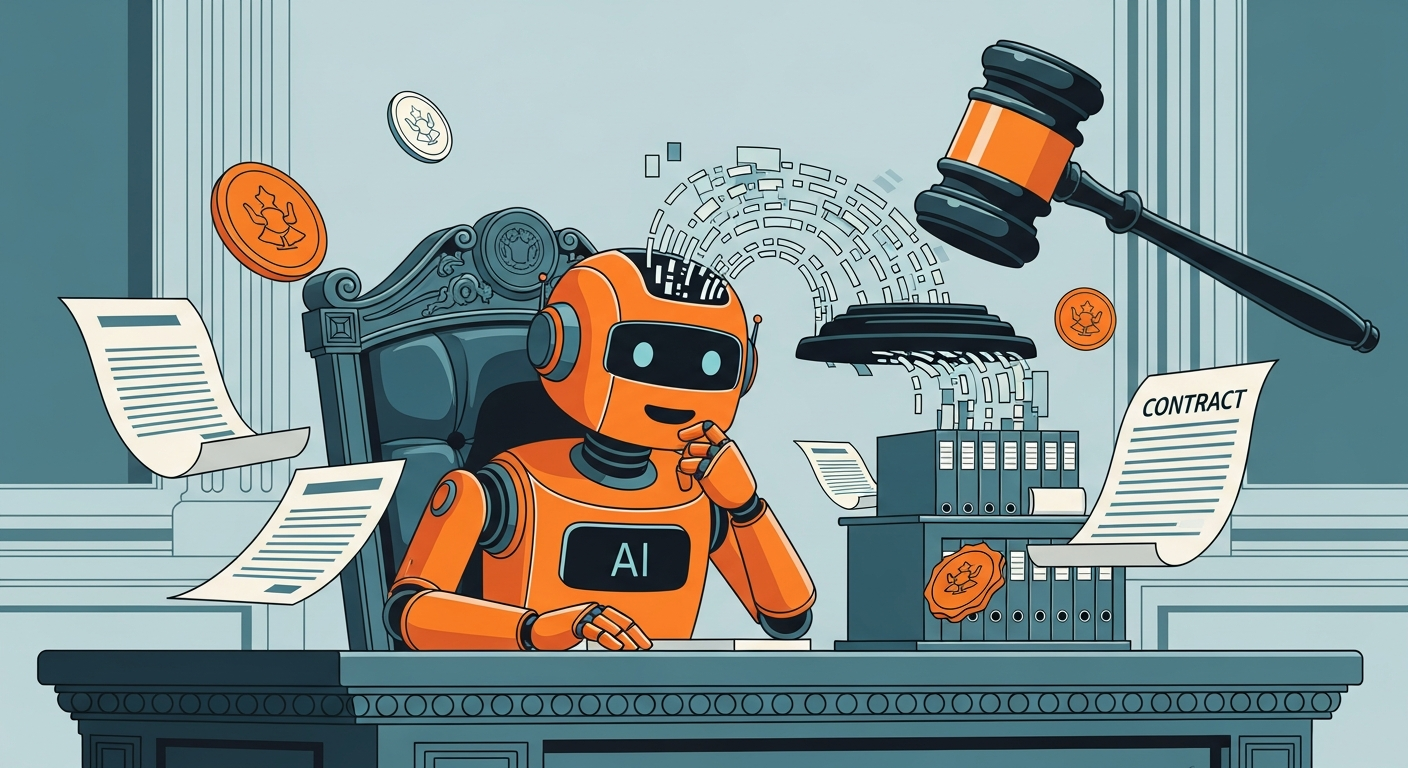
Albania just appointed the world's first AI cabinet minister named "Diella" to handle all government procurement contracts, claiming it'll eliminate corruption—though critics are already warning about potential security vulnerabilities and prompt injection attacks.
OpenAI and Microsoft finally kissed and made up, signing a non-binding deal that gives OpenAI's nonprofit arm over dollar 100 billion in equity while clearing the path for their massive for-profit restructuring.
A startup called Inception Point AI is churning out over 3,000 podcast episodes per week using AI hosts at just dollar 1 per episode—basically turning podcasting into the next content farm battlefield.
Math Inc.'s new AI system called Gauss just solved a complex mathematical theorem in three weeks that had stumped human experts for 18 months, marking another major milestone in AI's reasoning capabilities.
The co-creator of the transformer architecture that powers ChatGPT is now saying the entire AI system is fundamentally broken and needs to be rebuilt with blockchain-based, user-owned AI to prevent a dystopian future.
ByteDance launched Seedream 4.0 to directly compete with Google's image generation tools, while a garage-based search engine built for dollar 5,000 is somehow delivering Google-quality results without the data tracking.
DEEP DIVE ANALYSIS
Let's dive deep into Albania's groundbreaking decision to appoint an AI as a cabinet minister, because this isn't just a quirky tech story—it's potentially the first domino in a complete reimagining of how governments operate in the AI age.
Technical Deep Dive
: Diella isn't some futuristic robot sitting in parliament—it's essentially a sophisticated AI interface built on top of Albania's existing e-Albania digital services platform. The system has already processed over 36,000 digital documents and operates through voice commands and automated decision-making algorithms. What makes this significant is that it's being given autonomous authority over public procurement, which means it can evaluate bids, award contracts, and make financial decisions without direct human oversight.
The technical challenge here isn't just natural language processing—it's creating an AI system robust enough to handle complex legal frameworks, detect fraud patterns, and make nuanced decisions about contractor qualifications and project feasibility.
Financial Analysis
: This move could fundamentally reshape government spending efficiency. Public procurement typically represents 10-15 percent of a country's GDP, so we're talking about potentially billions in contract decisions being automated. The cost savings could be enormous—no more lengthy committee reviews, reduced administrative overhead, and faster contract awards.
However, the financial risks are equally massive. If the AI makes poor decisions or gets compromised, it could approve fraudulent contracts worth millions. Albania's betting that the efficiency gains and corruption reduction will outweigh these risks, but they're essentially running a live experiment with taxpayer money.
Market Disruption
: This creates a blueprint that every government in the world is now watching. If Albania succeeds in reducing corruption and improving efficiency, expect a gold rush of GovTech companies building similar AI governance solutions. Traditional government contractors who relied on relationship-building and backdoor deals are now facing algorithmic oversight that can't be wined and dined.
The consulting firms that specialize in government contracts might need to completely restructure their approach. More importantly, this could trigger a new category of AI governance platforms, potentially worth billions as governments worldwide seek to modernize their operations.
Cultural and Social Impact
: This represents a fundamental shift in how we think about democratic governance and accountability. When an AI makes a bad decision, who's responsible? The programmers?
The government officials who deployed it? The citizens who elected the government? We're entering uncharted territory where algorithmic governance could either eliminate human bias and corruption or create new forms of systematic discrimination that are harder to detect and challenge.
The cultural acceptance of AI making government decisions varies dramatically across societies—what works in tech-forward Albania might face massive resistance in other democracies.
Executive Action Plan
: First, technology executives should immediately start developing AI governance and compliance solutions, because this is about to become a massive market opportunity. Every government agency worldwide will soon be evaluating AI automation for routine decisions. Second, companies working with government contracts need to adapt their processes for algorithmic evaluation—this means standardizing data formats, ensuring transparency in pricing and qualifications, and potentially developing AI-to-AI communication protocols.
Third, start building relationships with GovTech accelerators and policy makers now, because the companies that help governments navigate this transition successfully will have first-mover advantages worth hundreds of millions in what could become a trillion-dollar market transformation.
Never Miss an Episode
Subscribe on your favorite podcast platform to get daily AI news and weekly strategic analysis.