Meta Restructures AI Division Under Centralized Leadership, Freezes Hiring
Episode Summary
Your daily AI newsletter summary for August 24, 2025
Full Transcript
TOP NEWS HEADLINES
Meta just announced a massive AI restructure that's dissolving entire teams and putting everything under Alexandr Wang, while simultaneously freezing all AI hiring after their summer spending spree.
Oracle is riding the AI wave hard, with OpenAI set to become their largest customer in deals worth over 5 gigawatts of computing power - that's an unprecedented amount that's helping turn around their cloud business.
Google's expanding their AI Mode search globally to 180 countries and adding real agentic capabilities that can actually book restaurant reservations for you.
Anthropic is reportedly in talks to raise a staggering 10 billion dollars at a 170 billion dollar valuation, doubling their original target due to strong investor demand.
The Chan Zuckerberg Initiative dropped something called rBio - an AI model that's trained on virtual cell simulations instead of actual lab work, potentially revolutionizing how we do biological research.
And Elon Musk is claiming that Grok 5, which starts training in September, has "a shot at being true AGI" - though we've heard bold AGI claims before.
DEEP DIVE ANALYSIS
Let's dive deep into Meta's massive AI restructure because this story reveals something crucial about how Big Tech is repositioning for the next phase of AI competition.
Technical Deep Dive
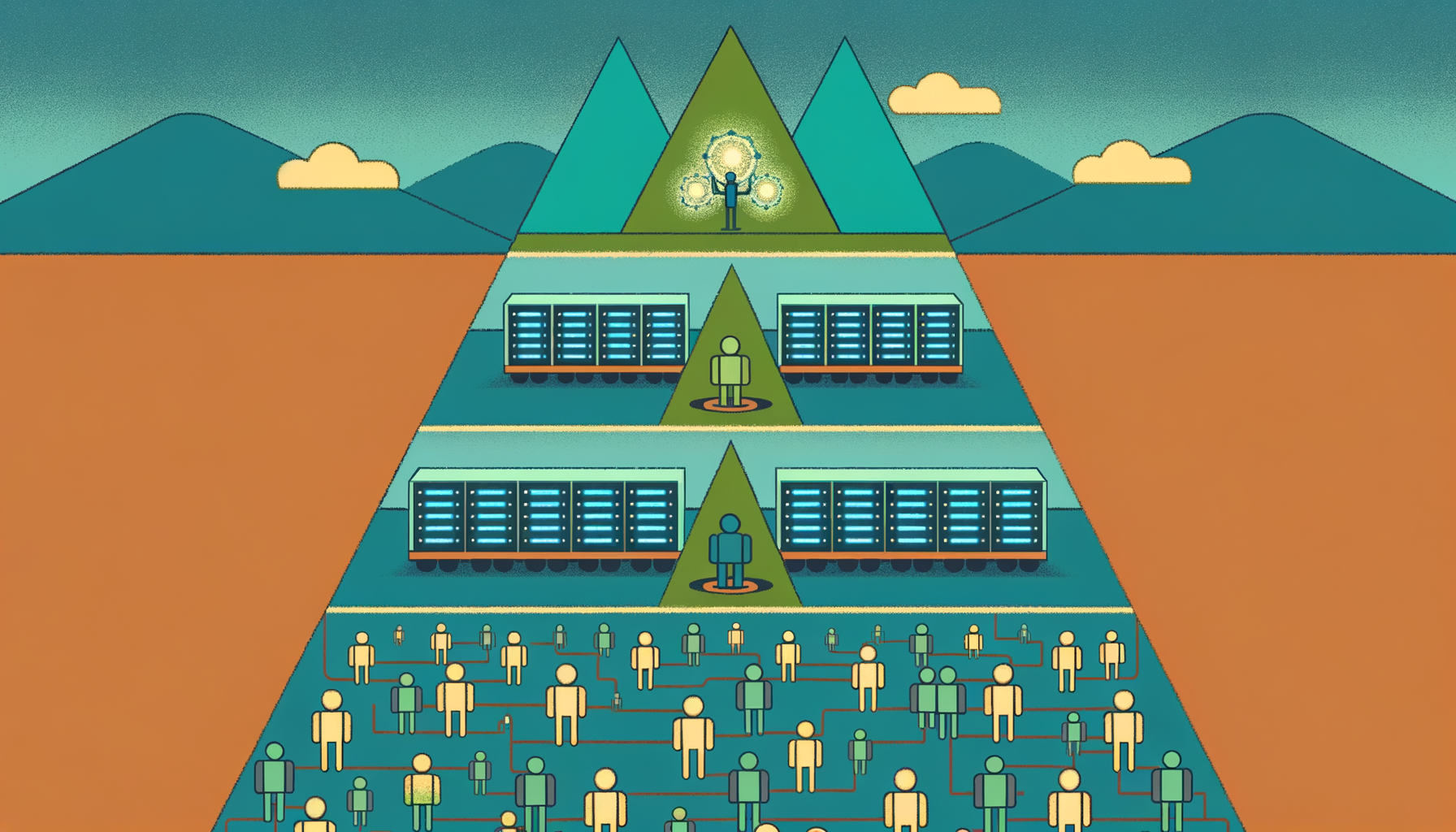
: What's happening at Meta goes far beyond typical corporate reshuffling. They're dissolving their AGI Foundations division entirely and reorganizing into four distinct units under Alexandr Wang - research, training, products, and infrastructure. They're also creating something mysteriously called "TBD Labs" focused on "omni" models and frontier AI research.
This isn't just moving people around on an org chart - it's a fundamental shift in how they're approaching AI development. The fact that even Chief Scientist Yann LeCun now reports to Wang signals they're centralizing AI decision-making in unprecedented ways. The hiring freeze requiring Wang's personal approval shows they're moving from acquisition mode to execution mode.
Financial Analysis
: The numbers here are staggering. Meta spent heavily on their summer AI hiring spree, poaching talent with compensation packages that industry insiders say were pushing the boundaries of what's sustainable. Now they've hit the brakes completely with a hiring freeze across their AI division.
This suggests they've reached some kind of internal threshold - either budget-wise or headcount-wise. The restructure itself isn't cheap - dissolving teams, redistributing talent, and creating new organizational structures carries significant operational costs. But the bigger financial story is what this signals about Meta's AI strategy.
They're clearly betting everything on this new structure delivering results quickly. Given their massive investments in compute infrastructure and talent acquisition, they need to show ROI soon, and this restructure is their mechanism for achieving that.
Market Disruption
: This move puts enormous pressure on competitors. When a company with Meta's resources and talent density makes this kind of organizational bet, it forces everyone else to recalibrate. Google, Microsoft, and Amazon are all watching this closely because it suggests Meta believes the current approach to AI development isn't working fast enough.
The creation of specialized units for training versus products versus infrastructure indicates they're trying to optimize each part of the AI pipeline separately. The mysterious TBD Labs focused on "omni" models suggests they're pursuing multimodal AI that combines text, image, video, and potentially other modalities in ways current models don't. If this organizational structure proves more effective at delivering AI breakthroughs, expect other companies to copy it within six months.
Cultural and Social Impact
: There's a human cost to this restructure that's worth examining. Engineers and researchers who joined the dissolved AGI Foundations team are now scattered across different divisions, potentially losing the collaborative culture they signed up for. The hiring freeze after a major talent acquisition spree creates an interesting dynamic - Meta now has some of the best AI talent in the world, but they're essentially locked into their current team composition.
This could either create incredible focus and productivity, or it could create internal pressure and frustration. For the broader AI research community, Meta's moves are setting new standards for how AI labs organize themselves. The centralized decision-making under Wang represents a shift away from the more distributed, academic-style research culture that has characterized AI development toward a more corporate, results-driven approach.
Executive Action Plan
: Technology executives need to take three immediate actions in response to Meta's restructure. First, audit your own AI organizational structure - are you optimized for speed of execution or are you still organized like a traditional tech company? Meta's move suggests that conventional structures aren't adequate for AI development at scale.
Consider whether you need more centralized AI decision-making and clearer separation between research, training, and product development. Second, accelerate your AI talent retention strategies immediately. With Meta's hiring freeze, there may be opportunities to recruit from their displaced talent, but more importantly, you need to ensure your own AI teams feel valued and engaged before they become targets for other companies' recruiting efforts.
Third, prepare for an acceleration in AI product releases from Meta over the next six to twelve months. This restructure is designed to increase their velocity, which means competitive pressure is about to intensify significantly. Make sure your AI roadmap can respond to faster iteration cycles from one of the biggest players in the space.
Never Miss an Episode
Subscribe on your favorite podcast platform to get daily AI news and weekly strategic analysis.