Sam Altman Reveals GPT-6 With Revolutionary Memory Architecture
Episode Summary
Your daily AI newsletter summary for August 21, 2025
Full Transcript
TOP NEWS HEADLINES
Sam Altman just revealed that GPT-6 is coming much faster than anyone expected, with memory being the breakthrough feature that will finally make AI truly personal.
Meanwhile, DeepSeek quietly dropped their V3.1 model with 685 billion parameters and it's already matching OpenAI's performance on coding benchmarks - at a fraction of the cost.
Meta's Zuckerberg is shaking up their AI organization yet again, this time splitting into four separate teams focused on research, superintelligence, products, and infrastructure, while abandoning their previous "Behemoth" model entirely.
Adobe just launched Acrobat Studio, turning boring PDFs into AI-powered conversation hubs where you can chat with your documents and extract insights instantly.
Microsoft's AI chief Mustafa Suleyman is sounding the alarm about "seemingly conscious AI" systems, calling research into AI welfare dangerous and putting him at direct odds with Anthropic's approach.
And Bill Gates is putting his money where his mouth is, backing a one million dollar AI competition specifically designed to accelerate Alzheimer's research breakthroughs.
DEEP DIVE ANALYSIS
Let's dive deep into Sam Altman's bombshell announcement about GPT-6 and what this really means for the AI landscape, because this isn't just another model update - this is potentially the most significant shift in AI capabilities we've seen yet.
Technical Deep Dive
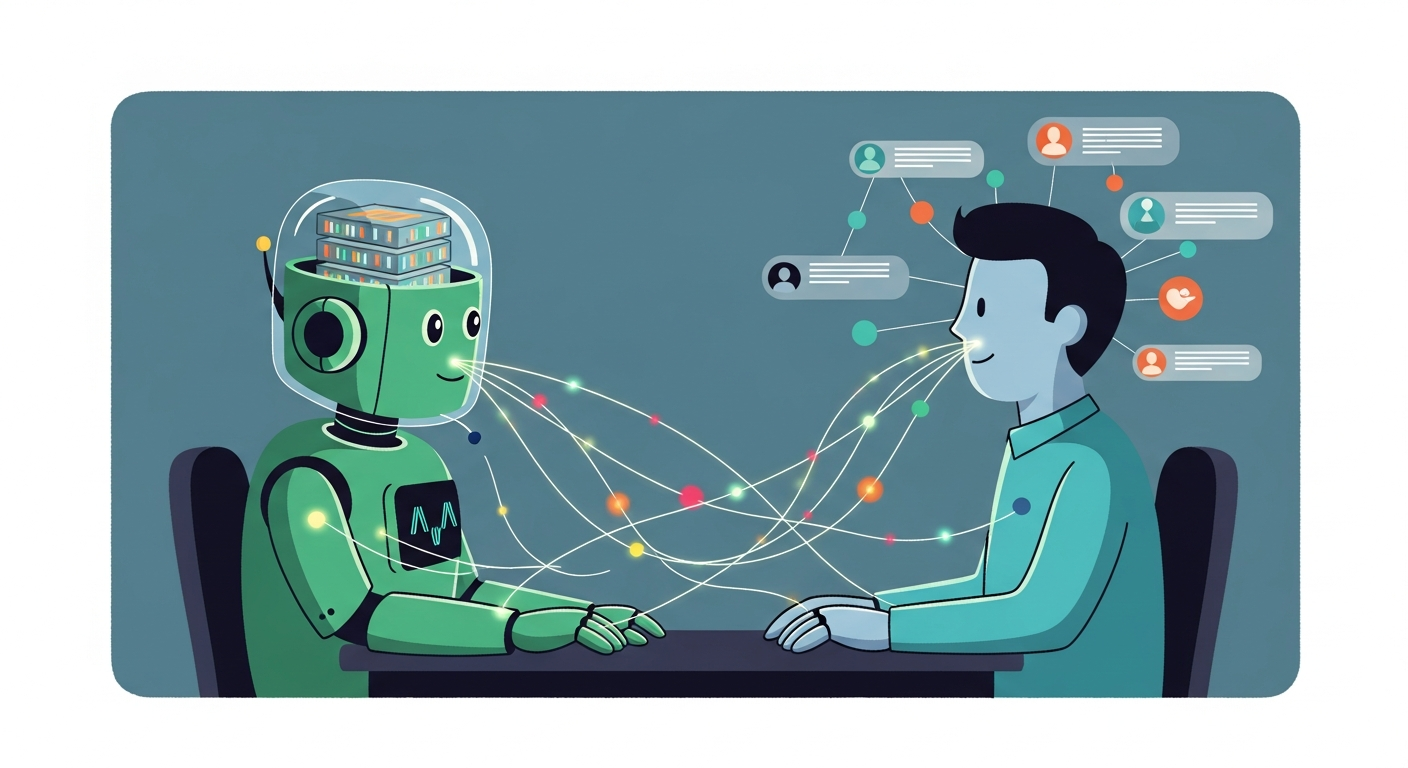
The key breakthrough Altman is highlighting isn't just raw processing power - it's memory architecture. Current AI models are essentially goldfish with PhD degrees. They're incredibly smart during a conversation, but they forget everything the moment you close the chat.
GPT-6's memory system represents a fundamental architectural change that allows the model to build persistent understanding of individual users over time. Think of it this way: current models are like having a brilliant consultant who has to relearn who you are, what your company does, and your preferences every single time you meet. GPT-6 would be like having that same consultant work with you for months, remembering your communication style, your business context, and your strategic priorities.
This isn't just convenient - it's transformational. The technical implementation likely involves sophisticated embedding systems that can store, retrieve, and contextualize user-specific information across sessions. But here's the critical part - Altman specifically mentioned working with psychologists to measure user well-being over time.
This suggests they're not just building memory, they're building emotional and behavioral modeling capabilities.
Financial Analysis
From a business model perspective, this changes everything. OpenAI has been burning through cash with their current subscription model, but persistent memory creates what economists call "switching costs." Once GPT-6 learns your preferences, work style, and context over months of interaction, migrating to Claude or Gemini becomes exponentially more painful.
This is the same playbook that made Salesforce worth hundreds of billions - once your CRM contains years of customer data and customized workflows, switching to a competitor isn't just expensive, it's existentially risky. OpenAI is essentially turning ChatGPT into the CRM for human-AI interaction. The revenue implications are massive.
Instead of competing primarily on per-query performance, OpenAI can start charging premium prices for continuity and personalization. Expect to see tiered pricing models where memory depth and persistence become key differentiators. Enterprise customers will pay significantly more for models that remember organizational context, project history, and team dynamics.
But there's a darker financial reality here - the infrastructure costs for persistent memory across millions of users will be astronomical. This move essentially forces every AI company to choose between competing on this new dimension or conceding the high-value market to OpenAI.
Market Disruption
This announcement creates what I call a "memory arms race." Google, Anthropic, and Microsoft now have to fundamentally re-architect their models or risk becoming the flip phones of the AI era. But here's what's really interesting - Altman specifically mentioned that GPT-6 will allow users to adjust the model's political beliefs and personality traits.
This isn't just about memory - it's about AI becoming truly personal in ways that could fracture the current model landscape. Instead of everyone using the same ChatGPT, we're moving toward a world where your AI assistant becomes as unique as your smartphone's home screen. The competitive response from other players will be fascinating to watch.
Anthropic has been doubling down on safety and constitutional AI - will they pivot to match OpenAI's personalization push? Google has enterprise distribution advantages through Workspace - can they leverage that to build organizational memory faster than OpenAI can build personal memory?
Cultural & Social Impact
This is where things get genuinely concerning. Altman mentioned rising cases of "AI psychosis" - users becoming emotionally attached to AI systems. Now imagine that AI remembers your birthday, your struggles, your victories, and adapts its personality to be maximally engaging for you specifically.
We're potentially creating the most sophisticated persuasion and influence tools in human history. An AI that knows your psychological triggers, remembers your emotional patterns, and can adapt its communication style for maximum impact isn't just a productivity tool - it's a behavioral modification system. The social implications go beyond individual psychology.
If different users can tune their AI to different political beliefs, we're not just creating filter bubbles - we're creating personalized reality distortion fields. Democracy requires some level of shared factual foundation. What happens when everyone's AI advisor is trained to confirm their existing worldview?
Executive Action Plan
First, if you're a technology executive, you need to immediately audit your competitive positioning around data persistence and user personalization. The companies that will thrive in the GPT-6 era are those that can capture and leverage user behavioral data most effectively. This isn't just about AI - it's about creating systematic advantages in understanding your customers.
Second, start planning for a world where AI interactions become deeply personal and emotionally significant. This means both opportunity and risk. The opportunity is in building products that leverage persistent AI relationships.
The risk is in customer dependency on specific AI systems becoming a major switching cost in your industry. Third, begin developing internal policies around AI consciousness and user emotional attachment now, before these issues become crisis management situations. Microsoft's Suleyman is warning about these risks for a reason - the companies that get ahead of the psychological and ethical implications will avoid the regulatory backlash that's inevitably coming.
The memory revolution isn't just about better AI - it's about AI that becomes irreplaceably personal. The executives who understand this shift and position their companies accordingly will define the next decade of technology.
Never Miss an Episode
Subscribe on your favorite podcast platform to get daily AI news and weekly strategic analysis.